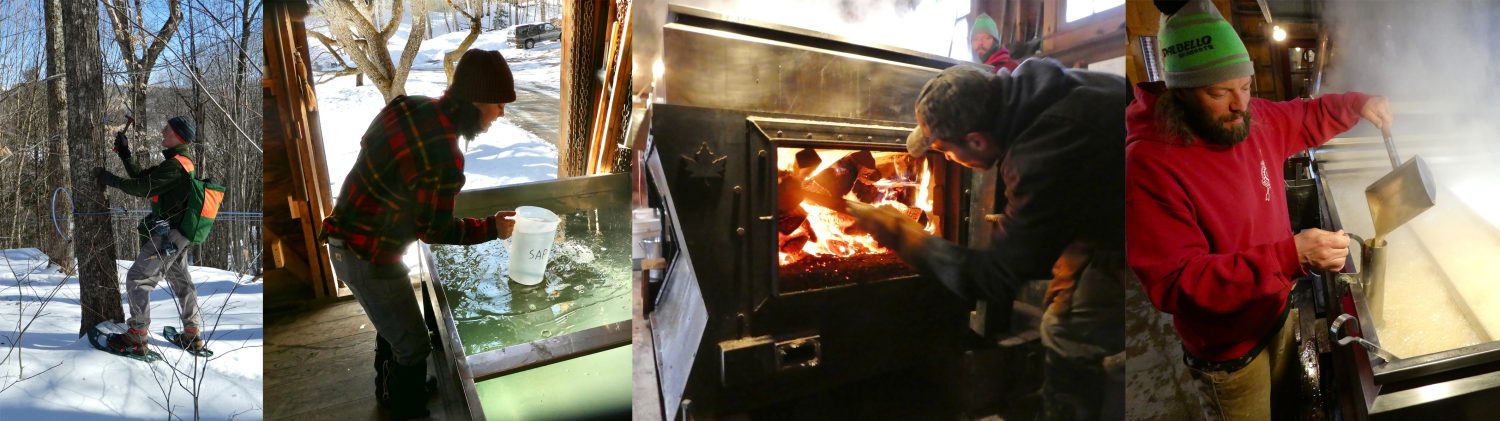
Freedle Coty, who grew up roaming this mountainside and learning the ways of its inhabitants, submits these photos and captions.
Tracking and the Art of Seeing:
The arrival of a 4th major snowstorm to the Northeast since our season began inspired a rewind to mid-winter tapping in the sugar bush. Outside of the important woods crew duties (tap drilling, tubing repair, tree assessment) there is much sign from the ‘natural world’ to observe. Snow acts as wildlife’s version of a Strava map, revealing the forest citizenry and their nocturnal winter activities, in detail if conditions allow. Early February’s snowpack was particularly good for tracking, with a firm crust layer topped with a light dusting of powder.

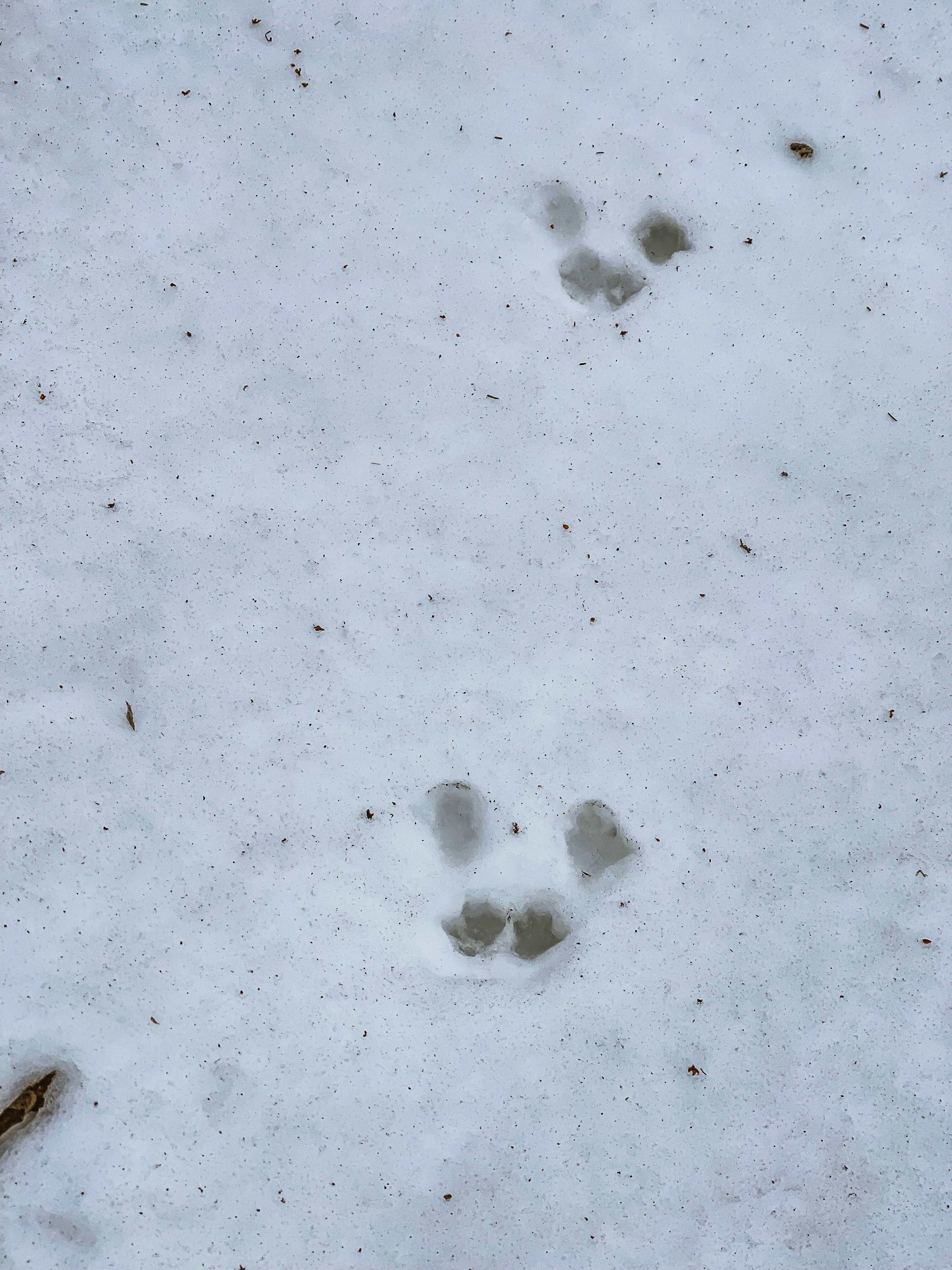
Fisher Cat. Fishers have been loping all over the place this year! They appear to be focused on keeping the squirrel and chipmunk population in check. This is much appreciated by anyone who has repaired the ever-present chew damage on 5/16ths tubing line. A mustelid, fishers have a large and pointy five-toe paw print, one that I did a plaster casting of many years ago in this same setting.
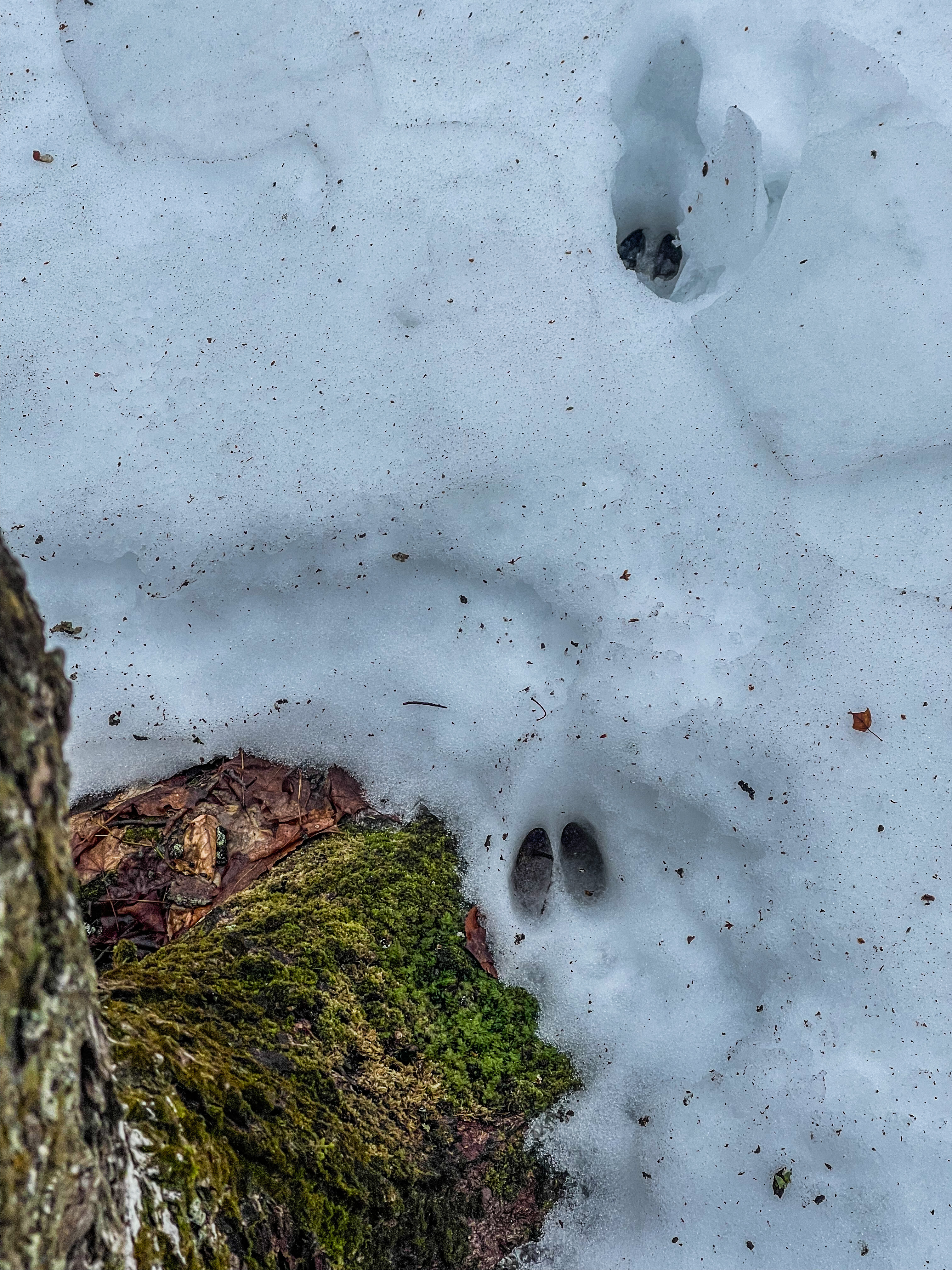

Whitetail Deer. The most common ungulate in North America. Whitetails can be found in winter ‘deer yards’ and bedded down in hemlock stands throughout our sugarbush.


Eastern Wild Turkey. Turkeys are having a moment in Vermont, once again. They are roosting at higher elevations for one reason: beech nuts. It was a big mast year for beech trees last fall, and the turkeys will scrape through leaves and snow to eat these rich nuggets for as long as they can.
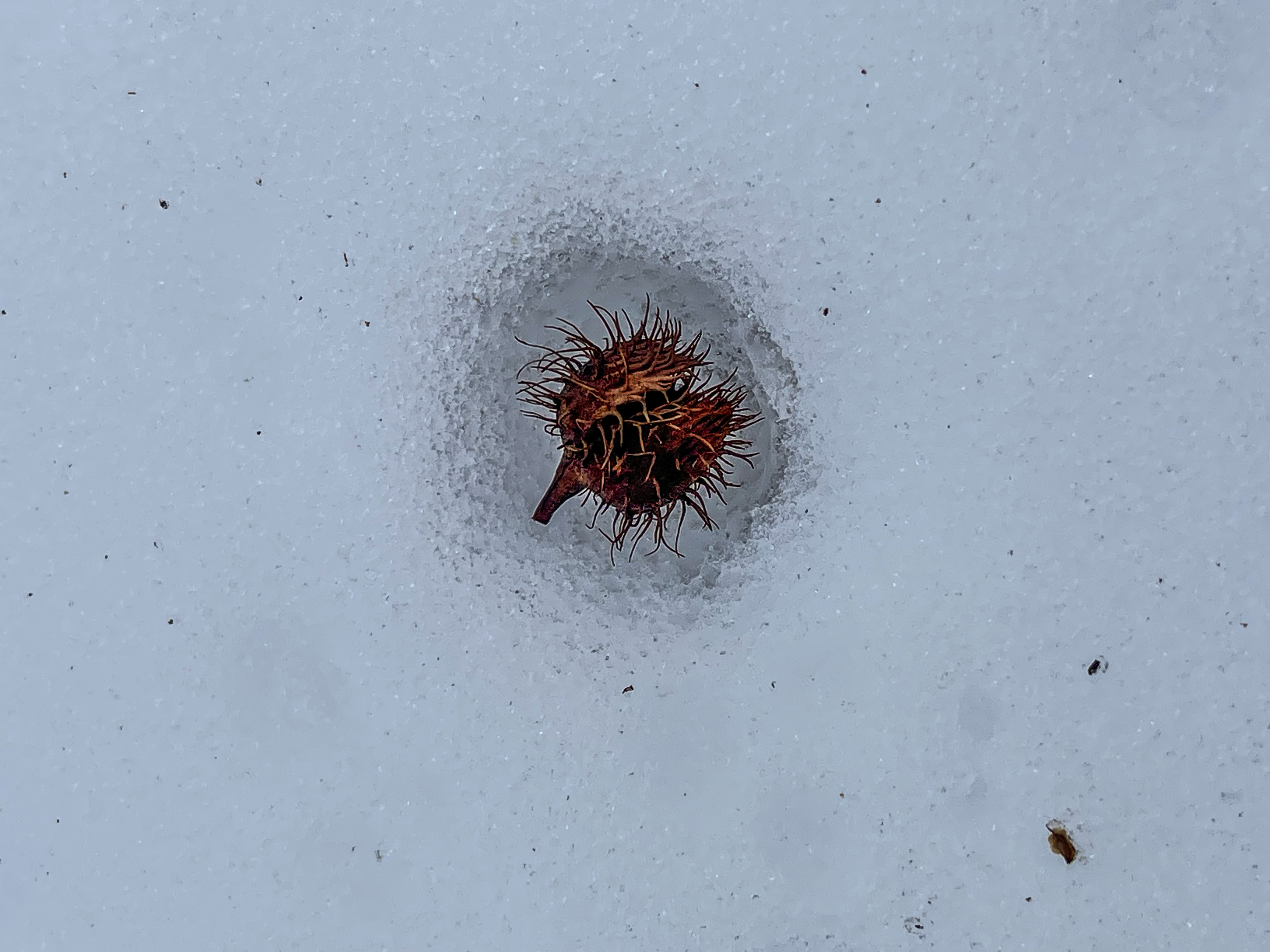

Beech Nut Husks. The McDonalds of the woods. From black bears to grouse, over 100 billion served!

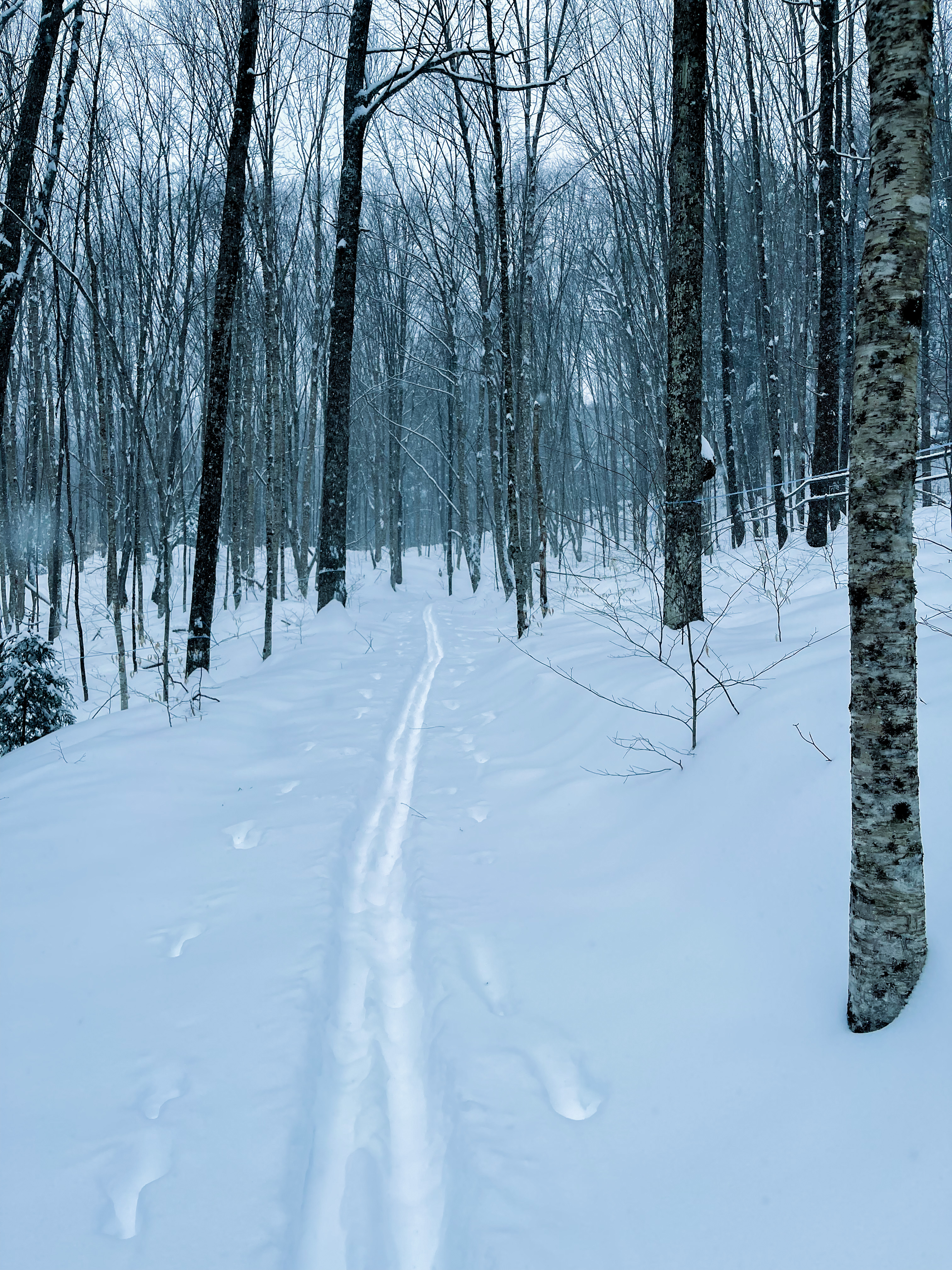
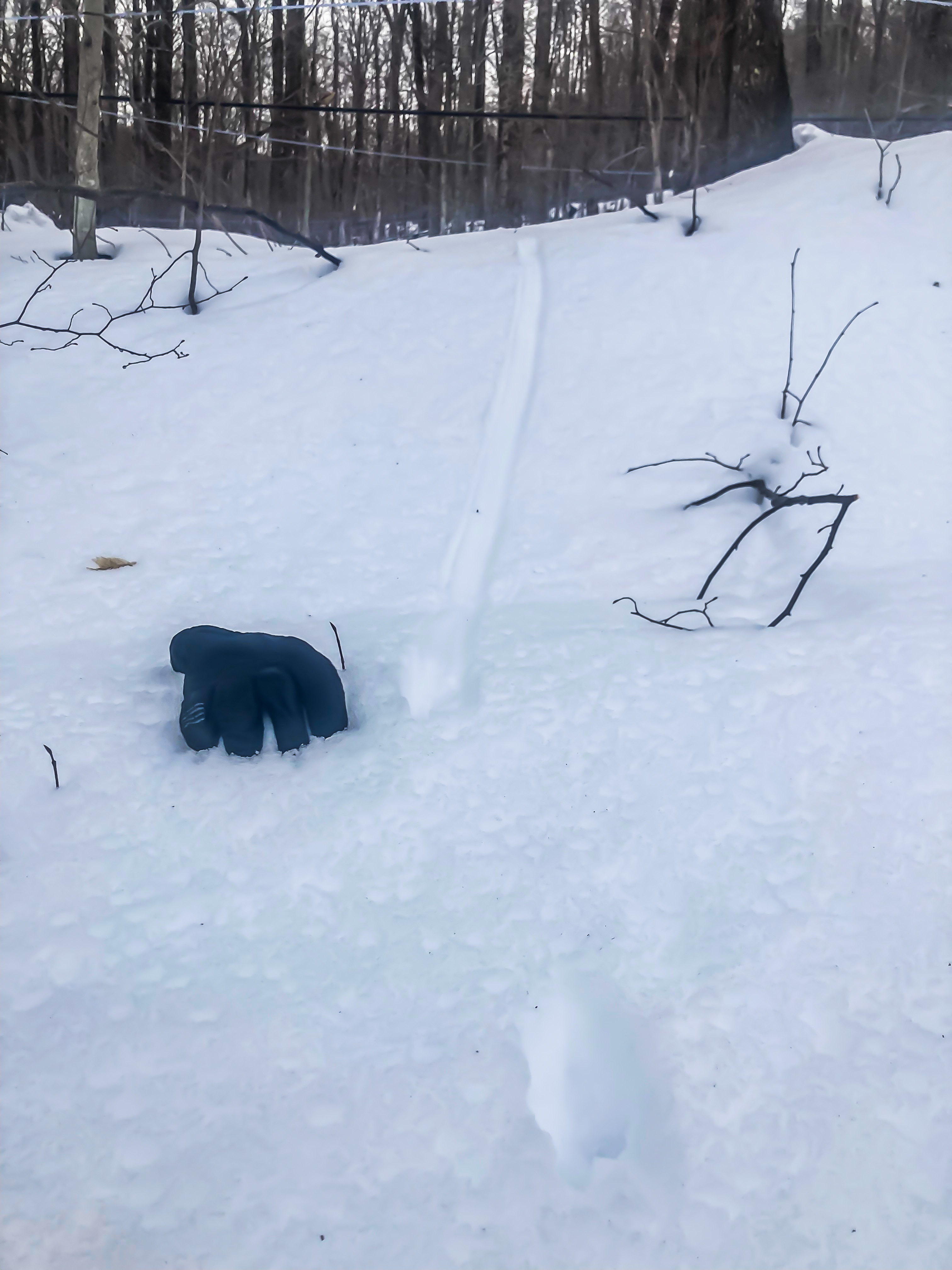
Ermine. The coolest little white-clad, powder-surfing weasel. Observed by Ross Scatchard, this line clearly shows evidence of an ermine using snowsliding + gravity to its full advantage.
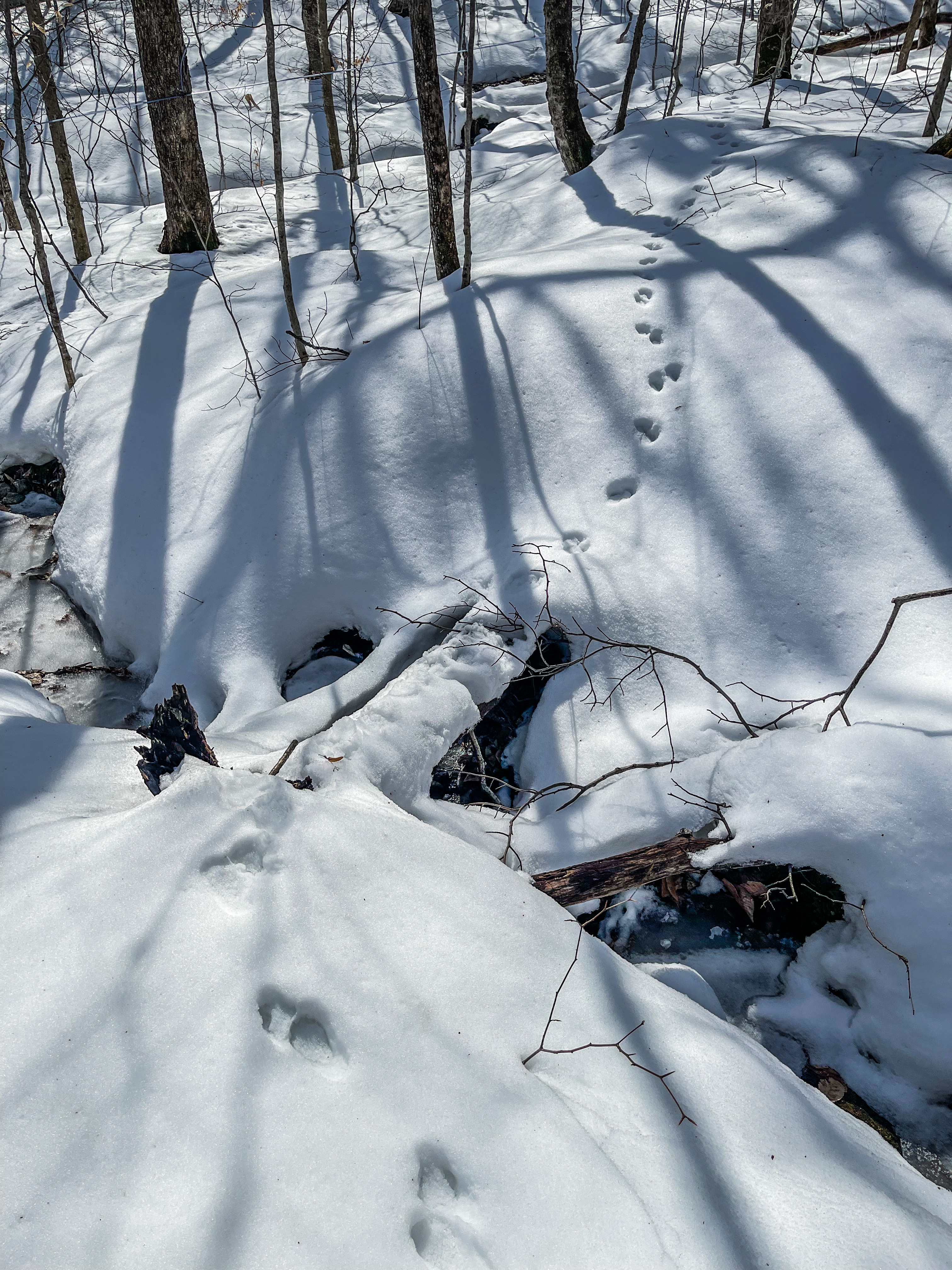
Track unknown. Likely another fisher, but bobcats have also been known to walk logs and snow bridges in this style.
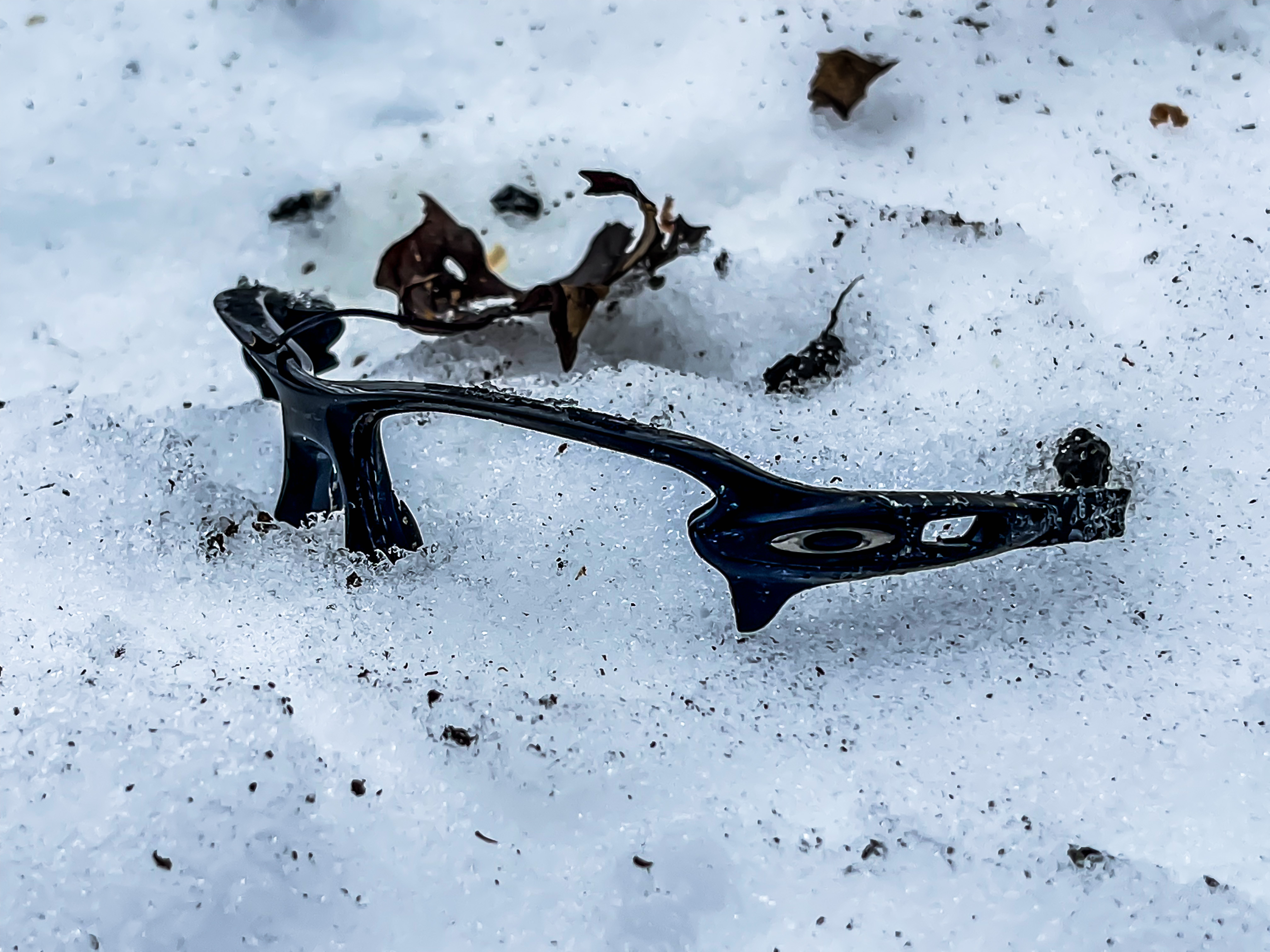
Oakley carcass. Lost during fall tubing maintenance by yours truly, these sunglasses clearly fell victim to the squirrel chop shop. All that remains is the tough frame exoskeleton, we can assume the polarized lenses are on some type of forest critter black market. No reward if found.
-FC
 The Nebraska Knoll Blog
Sugaring break over here on West Hill.
I have only seen ski tracks last couple days Bob
LikeLike
On my last day tapping up here, I crossed a pair of otter tracks diving down into our high beaver pond, then around the corner climbing out of it, and taking the long slide down into the next drainage. Ebullient figure 8’d powder turns – I wish I could post them!
BSH
LikeLike
Otters seem to have the most fun. A spirit animal, if I had to pick one. That is an awesome track to witness!
-FC
LikeLike
Fun—looked up ‘postholing’ and Strava map (still no real clue why it’s called that?) but no idea what an RS photo is. Stock snap? Love the images and accompanying descriptions!
LikeLiked by 1 person
Thank you so much for this post! I found a long downhill single-ski track in Hyde park and was mystified by it, particularly when I discovered that it went under logs. Now I know. Mystery solved!
LikeLiked by 1 person
I chuckled at the “postholing” and laughed out loud at the “squirrel chop shop”
Never have I heard of a fisher cat… multiple browser windows and rabbit holes later, I’ve come back to say “fun post!”
-Jenn
LikeLike